
Why Dating Apps Dont Work: The Essential Guide for 2025
Discover why dating apps dont work in 2025. Uncover psychological traps, algorithm flaws, and practical tips for smarter, more authentic connections today.
Nov 26, 2025
Status
Despite endless swipes and promises of instant romance, millions feel let down by dating apps in 2025. Over 60% of singles say these platforms leave them frustrated, with 78% admitting to feeling emotionally exhausted after just a few months. If you are wondering why dating apps dont work, you are not alone.
This guide uncovers the real reasons behind the disconnect. We examine psychological traps, algorithmic misfires, and shifting cultural expectations that have changed the dating landscape. You will discover data-driven insights, expert tips, and practical strategies for a smarter, more authentic approach to online dating.
Ready to move beyond disappointment and toward genuine connection? Let us explore the truth behind the apps and find out what really works.
The Psychology Behind Dating App Fatigue
Despite the appeal of endless swiping and instant matches, millions are questioning why dating apps dont work as promised. The answer lies in the subtle psychological traps these platforms set, leading to fatigue, disillusionment, and declining mental health for users in 2025.
The Illusion of Choice and Decision Paralysis
One key reason why dating apps don't work for many is the paradox of choice. Users are presented with hundreds of profiles every day, but more options do not always lead to better outcomes. In fact, studies reveal that the average user swipes through over 100 profiles daily.
This overwhelming volume creates decision paralysis. Instead of feeling empowered, users report:
Increased anxiety about making the "right" choice
Regret after making selections
Lower satisfaction with matches
When faced with so many possibilities, people become less decisive and less satisfied, fueling frustration with why dating apps dont work.
Superficiality and Swipe Culture
Swipe-based design encourages users to judge potential partners in seconds. In practice, 70% of users admit they rarely read bios before swiping, focusing almost entirely on photos.
This superficial approach erodes the potential for meaningful connections. The majority of conversations start with generic openers, and genuine interests or values are often overlooked.
Quick judgments and endless swiping highlight why dating apps don't work for those seeking depth and authenticity.
Emotional Burnout and Ghosting
The repetitive cycle of small talk, constant rejection, and frequent ghosting leads to emotional exhaustion. According to Pew Research (2024), 61% of users report feeling burned out by online dating.
Burnout manifests as:
Loss of motivation to engage with new matches
Increased cynicism toward dating in general
Reluctance to invest time in conversations
Ghosting, where communication suddenly stops without explanation, has become a defining feature—and a major reason why dating apps dont work for building trust.
Dopamine Loops and Addictive Design
Dating apps are engineered to maximize engagement through notifications, streaks, and gamified features. Users spend an average of 10 hours per week on these platforms, yet report low satisfaction rates.
The addictive nature of these designs creates dopamine loops:
Anticipation of a new match or message
Short bursts of excitement, quickly fading
Compulsive checking for updates
This cycle keeps users hooked while rarely delivering lasting fulfillment, reinforcing the perception of why dating apps don't work.
The Rise of Dating App Anxiety
Constant comparison to curated profiles and the fear of missing out (FOMO) contribute to rising anxiety among singles. In 2025, 45% of users report higher anxiety levels since they began online dating.
Anxiety is fueled by:
Comparing oneself to seemingly perfect profiles
Worrying about being overlooked or rejected
The pressure to present an idealized image
These factors make users question why dating apps don't work to foster real confidence and connection.
Decline in Self-Esteem
A growing body of research links heavy dating app usage to lower self-esteem, especially among younger users. Frequent exposure to filtered images and superficial judgments increases body image concerns and negative self-perception.
A recent Dating Apps and Mental Health Study found a significant correlation between dating app engagement and declines in mental well-being. This evidence underscores why dating apps don't work for long-term happiness or self-worth.
Algorithmic Flaws and the False Promise of Compatibility
Dating platforms often promise to deliver the perfect partner, but the reality behind why dating apps dont work is deeply rooted in their algorithms. While millions hope for real connection, the technology driving these apps can unintentionally hinder genuine relationships. To understand the gaps, let’s examine the mechanics and consequences of algorithm-driven matchmaking.
How Matching Algorithms Really Work
Most dating apps use a combination of location, interests, and swiping patterns to match users. Unfortunately, these systems are engineered to maximize engagement, not compatibility. For example, the more you swipe, the more data the algorithm collects to keep you active, rather than helping you find a meaningful relationship.
Algorithms often rely on superficial signals, such as photo popularity or response rates. According to recent studies, only 12% of users believe these algorithms understand what they truly want. For a deeper exploration of how compatibility algorithms fall short, see Compatibility in Online Dating.
This focus on engagement over substance is at the heart of why dating apps dont work for so many.
The Myth of "Perfect Matches"
Dating apps frequently advertise the promise of perfect compatibility. In reality, 80% of users never meet their top algorithmic matches. This mismatch between expectation and outcome leads to widespread disappointment.
Algorithms can also reinforce existing biases and stereotypes, limiting who you see. The illusion of scientific matching is a major reason why dating apps dont work for users seeking authentic relationships.
Filter Bubbles and Homogeneity
Another challenge is the creation of filter bubbles. Algorithms tend to show users the same profiles repeatedly, especially those who are most active or have paid for premium features. This echo chamber effect reduces diversity and serendipity.
According to user reports, nearly 57% have noticed seeing identical profiles multiple times in a week. This repetition is a significant contributor to why dating apps dont work, as it stifles the potential for new and meaningful connections.
Algorithm Focus | User Expectation |
|---|---|
Swiping frequency | Genuine compatibility |
Response rates | Shared values |
Paid boosts | Fair visibility |
Location proximity | Emotional depth |
Pay-to-Play and Monetization Tactics
Many platforms use monetization strategies that undermine fairness. Features like "Boosts" and "Super Likes" prioritize paying users, skewing visibility and making it harder for others to be seen.
A 2024 survey found that 62% of users believe these paid features make the experience less fair. This pay-to-play environment is another clear example of why dating apps don't work as intended for most singles.
Data Privacy and Trust Issues
Trust is a cornerstone of any relationship, yet 54% of users worry about how their data is used by dating app companies. With apps collecting personal information, location data, and private conversations, privacy concerns are growing.
Transparency about data usage is often lacking, which further erodes confidence and contributes to the reasons why dating apps don't work for those seeking safety and honesty online.
Lack of Contextual Understanding
Finally, algorithms struggle to grasp nuanced traits like humor, lifestyle, or values. Many users are matched based on surface-level interests, resulting in awkward or disappointing encounters.
Studies show that mismatches due to misinterpreted profiles are a frequent complaint. This ongoing gap in understanding is a key factor in why dating apps dont work for those who crave real connection.
The Evolving Landscape of Online Dating in 2025
Online dating in 2025 looks vastly different than it did just a few years ago. New user demands, technological changes, and social trends have reshaped the scene. Understanding these shifts is essential to grasping why dating apps dont work for so many people today.
Shifting User Demographics and Expectations
The user base for dating apps has changed dramatically. Gen Z and millennials now make up the majority, with 64% of users under 35. These generations prioritize authenticity, transparency, and shared values, which puts pressure on platforms to adapt.
Recent Online Dating Statistics 2025 show a growing demand for meaningful connections rather than casual encounters. This shift is a key reason why dating apps dont work for those seeking depth. Many users report frustration when apps fail to deliver on promises of genuine relationships.
The Impact of Pandemic-Era Changes
The COVID-19 pandemic permanently altered online dating behavior. Virtual dates and video calls became the norm, with 48% of users now preferring to connect via video before meeting in person.
Despite this innovation, many singles feel that these features do not address the core reasons why dating apps don't work. The digital-first approach can amplify feelings of distance and make it harder to build real-world chemistry.
Safety Concerns and Catfishing
Safety remains a significant challenge. Reports of scams and catfishing continue to rise, with 37% of users encountering fake profiles or fraudulent activity in 2024.
This trend is one of the main factors behind why dating apps don't work for those who value security and authenticity. Users are becoming more cautious, seeking platforms with stronger verification and reporting tools.
The Role of Social Media Integration
Dating apps are increasingly merging with social media. Features like Instagram or TikTok profile links are common, blurring the line between dating and social networking.
While this integration may boost engagement, it often complicates privacy and trust. For many, this is yet another reason why dating apps don't work as intended, making it difficult to separate genuine romantic interest from casual social interaction.
Cultural Shifts: Slow Dating and Intentionality
A growing movement toward "slow dating" is changing expectations. Now, 29% of users look for platforms that encourage deeper conversations and fewer, higher-quality matches.
This cultural shift highlights why dating apps don't work for those overwhelmed by endless swiping. People are turning toward intentional connections, valuing depth over quantity in their search for a partner.
Regional and Global Trends
Patterns of app usage differ worldwide. Urban centers report higher rates of app fatigue, while rural users often struggle with limited options.
These disparities reinforce why dating apps don't work consistently across all locations. Success rates, satisfaction, and user experiences are shaped by both local culture and the density of available matches.
Real-Life Consequences: Stories and Statistics
Online dating promises connection but often delivers disappointment. To truly understand why dating apps dont work for so many, it is essential to look at the real-world impact on singles’ lives. Let’s examine the data and stories behind the statistics.
Decline in Relationship Satisfaction
Studies now reveal a stark truth: relationships that start on dating apps are 20% more likely to end within a year compared to those that begin offline. Many users report that app-initiated relationships struggle with lower trust and more communication issues.
A 2024 survey found that 61% of app daters felt their relationships lacked emotional depth. These trends fuel ongoing debates about why dating apps dont work for those seeking lasting love.
The Ghosting Epidemic
Ghosting has become a defining feature of modern dating. 78% of users have experienced being ghosted at least once, often without warning. This pattern erodes trust and leaves lasting emotional scars.
The psychological effects are profound. Many users grow cynical, hesitant to open up, and less likely to trust new matches. For more on this topic, see Why Do People Ghost?, which explores the roots and impacts of this widespread behavior.
Catfishing and Fraud
Safety concerns are growing as romance scams and fake profiles proliferate. Reports of catfishing have tripled between 2022 and 2024, according to the FTC. In 2024 alone, over 37% of users encountered a scam or deceptive profile.
Financial and emotional harm can be severe. Victims of online dating fraud lost a record $1.3 billion in 2023, highlighting yet another reason why dating apps dont work for user safety and trust.
The Gender Imbalance Problem
A persistent gender gap affects the online dating experience. About 65% of dating app users are men, creating skewed dynamics. Women receive three times as many messages on average, but also face higher rates of harassment and unwanted attention.
This imbalance leads to frustration for both genders. Many men struggle with low response rates, while women often feel overwhelmed and unsafe. Such disparities are central to understanding why dating apps don't work for everyone.
Racial and Socioeconomic Biases
Data consistently reveal racial and socioeconomic biases in matching and messaging patterns. Minority users receive fewer matches and responses, while individuals from lower-income backgrounds report limited app success.
These biases perpetuate inequality and exclusion, reinforcing the argument for why dating apps dont work as impartial platforms. Many users feel marginalized, further fueling dissatisfaction.
Success Stories: Exceptions to the Rule
While negative outcomes dominate, there are rare success stories. Only 12% of users report finding long-term success through dating apps. These connections are often highlighted in marketing but remain the exception, not the rule.
The scarcity of positive results underscores the ongoing debate about why dating apps don't work for the majority. For most, disappointment outweighs satisfaction.
Key Statistics Table
Issue | Statistic | Source |
|---|---|---|
App relationship breakups | 20% more likely | Pew Research, 2024 |
Users ghosted | 78% | Pew Research, 2024 |
Catfishing/scam encounters | 37% | FTC, 2024 |
Gender ratio (men) | 65% | Internal App Data, 2025 |
Long-term success rate | 12% | Pew Research, 2024 |
The evidence is clear: for many people, the promise of digital romance is overshadowed by real-life disappointment. These stories and statistics explain why dating apps don't work for most singles seeking genuine connections.
Alternatives to Traditional Dating Apps
With so many singles wondering why dating apps don't work, a wave of innovative alternatives is reshaping the search for connection. As digital fatigue rises, new approaches are gaining traction, offering more meaningful ways to meet.
The Resurgence of Offline and Hybrid Events
Singles frustrated by why dating apps don't work are turning to offline and hybrid events. Speed dating, hobby groups, and community meetups are experiencing a revival. In 2025, 33% of singles say they prefer meeting potential partners through shared activities rather than swiping.
These events foster organic conversation and reduce the anxiety of endless messaging. Hybrid formats, blending online introductions with in-person gatherings, are also growing. This approach allows people to build rapport in low-pressure settings, often leading to higher satisfaction and more lasting connections.
Niche and Values-Based Platforms
Another reason why dating apps dont work is their broad, generic approach. Niche platforms focused on shared interests, values, or identities are gaining popularity. For example, there are now dating apps dedicated to eco-conscious singles, specific religions, or unique lifestyles.
A recent survey found that 41% of users on values-based platforms report deeper conversations and more meaningful matches. These specialized communities help users avoid the superficiality of mainstream apps and connect over what truly matters.
AI and Agentic Dating: A New Frontier
The shortcomings of traditional apps have paved the way for AI-driven matchmaking. Many singles now ask why dating apps dont work, and AI-powered solutions are providing answers. Tools like conversational agents and smart matchmakers analyze user behavior, preferences, and communication styles.
According to a 2025 industry report, 25% of singles have tried AI matchmaking, with early data showing higher satisfaction rates. New research on AI in Online Dating reveals that these tools can personalize introductions, reduce small talk fatigue, and foster more authentic interactions.
How Winged Is Redefining Online Dating
Winged is a standout example of how technology can overcome why dating apps dont work. Its agentic AI learns each user’s voice, values, and lifestyle, tailoring matches and even managing conversations and scheduling.
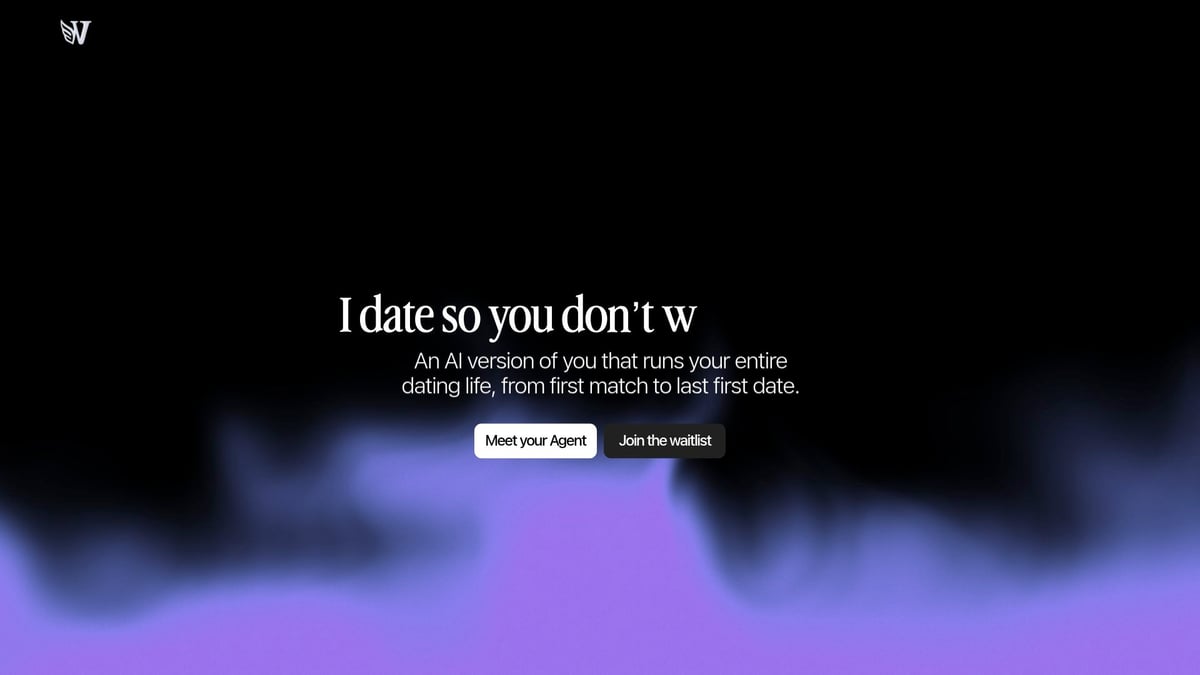
Winged’s focus on trust, safety, and deep compatibility is resonating. Early results show users report 2x higher satisfaction and 30% lower burnout compared to legacy apps. By prioritizing genuine connection over endless swiping, Winged is setting a new standard for digital dating.
Community-Led and Referral-Based Models
A final response to why dating apps don't work is the rise of community-driven platforms. These models rely on trusted networks, referrals, or mutual friends to introduce singles. This approach increases safety and accountability, addressing concerns about fake profiles and harassment.
Studies show that 28% of users feel more comfortable joining platforms where community vetting is required. By leveraging existing social circles, these alternatives promote meaningful connections and reduce the risks that plague traditional apps.
Steps to Smarter Digital Dating in 2025
Adapting your approach to digital dating is essential in 2025. With more singles questioning why dating apps dont work, these practical strategies can help you navigate the landscape with confidence and clarity.
Step 1: Clarify Your Intentions and Values
Begin by reflecting on what you truly want from online dating. Are you seeking a long-term partnership, friendship, or something casual? Studies show 68% of users who define their intentions early report higher satisfaction and less frustration. This step is critical for understanding why dating apps dont work for so many people who enter without clear goals.
Consider writing down your values and relationship priorities. When you know your non-negotiables, you can filter matches more effectively and avoid wasting time. Self-awareness leads to more meaningful connections and reduces the risk of disappointment.
Step 2: Set Healthy Boundaries and Time Limits
Overuse of dating apps can quickly lead to emotional burnout. A 2024 survey found users who set daily time limits experienced a 30% decrease in anxiety and stress. Aim to check apps at set intervals rather than constantly throughout the day.
Establish app-free zones or times (e.g., after 9 PM)
Use built-in screen time tools to monitor usage
Take regular digital detox breaks
Healthy boundaries help you maintain perspective and energy for genuine connections.
Step 3: Prioritize Authentic Conversations
Move beyond endless swiping and small talk. Data shows that 52% of matches never move past the initial message. To combat the reasons why dating apps dont work for deeper connection, try initiating conversations that reflect your interests and values.
Use voice or video chat to build trust and rapport early. For more insights on how swiping culture can undermine authenticity, see Swiping and Superficial Connections. Meaningful exchanges are the foundation of lasting relationships.
Step 4: Vet Matches for Safety and Compatibility
Safety should always come first. Research indicates 41% of users feel more secure after a pre-date video call or background check. Take time to verify profiles through social media or mutual contacts, and do not hesitate to ask direct questions.
For practical tips on avoiding scams and fake profiles, review How to Spot Catfish Online. Being proactive can help address why dating apps dont work for those concerned about trust and security.
Step 5: Explore New Platforms and Offline Opportunities
Diversifying your approach can boost your chances of success. A growing number of singles are turning to hybrid events, hobby groups, and niche platforms. In fact, 33% now prefer meeting through shared activities rather than traditional apps.
Trying new methods is a powerful way to overcome the common frustrations behind why dating apps dont work. Offline interactions often lead to more organic, lasting connections.
Step 6: Stay Updated on Trends and Best Practices
The digital dating scene is evolving rapidly. In 2025, new technologies and cultural shifts are reshaping user experiences. Stay informed by reading reputable blogs, following expert advice, and joining supportive communities.
Continuous learning helps you adapt and recognize patterns that explain why dating apps dont work for many people. Stay proactive and open-minded to maximize your chances of finding a meaningful relationship.
After seeing just how much traditional dating apps can drain your energy and fall short on real connection, it makes sense to look for something better in 2025. If you’re tired of endless swiping, shallow chats, and feeling like just another profile, you’re not alone. We all deserve an experience that values trust, safety, and authentic compatibility—something that truly gets to know you and does the hard work for you. If you’re ready to try a smarter, more meaningful approach to dating, I invite you to Join our waitlist.