
Ghosting Dating App Guide: Navigate Silence In 2026
Navigate ghosting dating app challenges in 2026 with expert insights, data, and step by step strategies to build confidence and foster authentic connections.
Nov 29, 2025
Status
Imagine matching with someone you genuinely connect with on a ghosting dating app, only for them to disappear without explanation. In 2026, over 65% of users report experiencing ghosting dating app silence, turning excitement into confusion and self-doubt. This guide will help you understand why ghosting dating app trends persist, decode the latest statistics, and provide actionable steps to regain confidence and clarity. You will also discover emerging tech solutions and learn strategies to build resilience while fostering authentic connections in the digital dating world.
Understanding Ghosting on Dating Apps in 2026
Ghosting has become a defining feature of the modern ghosting dating app experience. In 2026, the term extends beyond simply being ignored after a match. It now encompasses a range of disengagement behaviors that reflect shifting digital norms. Unlike previous years, today’s ghosting dating app landscape distinguishes between outright vanishing, slow fading, and mutual disengagement, where both users quietly drift apart. While ghosting is often seen as negative, some users view it as a practical response to overwhelming choices or mismatched intentions. For example, one user described being ghosted after sharing vulnerable stories, while another recounted a mutual fade after realizing there was little chemistry. Compared to earlier years, ghosting is more openly discussed, and the stigma is slowly decreasing as users normalize these digital breakups.
Defining Ghosting: What It Means Today
The ghosting dating app phenomenon has evolved significantly. Ghosting now includes abrupt endings after conversations, as well as subtle slow fading, where replies become less frequent until they stop entirely. Mutual disengagement, where both parties stop communicating, is increasingly common. Today, not all users see ghosting as a wholly negative act; some feel it is a necessary boundary in a fast-paced online environment. For instance, someone might ghost after a single message if the conversation feels forced or uncomfortable. In contrast, others may disengage after sharing personal details if vulnerability is not reciprocated. Compared to 2020, when ghosting was highly stigmatized, 2026 sees more nuanced discussions about intent, empathy, and digital etiquette.
Why Ghosting Persists: Psychological and Social Drivers
Several psychological and social factors explain why the ghosting dating app trend continues. Overwhelm is a primary driver, especially for women who, according to recent studies, respond to only 1 out of every 8 messages received. The fear of confrontation or hurting someone’s feelings often leads users to disappear rather than explain their lack of interest. The attention economy, driven by constant notifications and endless swiping, encourages low-effort exits. Privacy and safety concerns are also front of mind, as some users retreat from interactions that feel risky or invasive. Social media’s influence amplifies these patterns, normalizing abrupt disengagement and shaping expectations around digital communication.
Ghosting by the Numbers: Latest Data and Trends
Data reveals that 61% of online daters experienced ghosting at least once in 2025, with the ghosting dating app experience most prevalent among users aged 18-29. Gender differences are pronounced: women are more likely to ghost due to message overload, while men more often ghost after meeting in person. Regional trends show higher ghosting rates in urban areas, where choice overload is extreme. New app features, such as read receipts and conversation reminders, have reduced ghosting by 11% on some platforms. For a deeper dive into these statistics and how they shape user experiences, see the Comprehensive ghosting statistics report 2025. Academic studies from 2024-2026 highlight that app design and matching algorithms impact ghosting frequency, with apps focused on serious relationships reporting lower rates.
Types of Ghosting Encounters
Ghosting dating app users encounter several distinct patterns. Some are ghosted immediately after matching, before a single message is exchanged. Others experience silence after a brief conversation, often when plans for a date are mentioned. The most emotionally impactful cases occur when a user shares personal stories or makes plans, only to be met with sudden silence.
Type of Ghosting | Example Scenario | Emotional Impact |
|---|---|---|
Pre-conversation | No reply after matching | Mild disappointment |
Post-chat, pre-date | Silence after a few messages | Frustration, confusion |
After making plans | No response after scheduling | Hurt, self-doubt |
Each type triggers different emotional responses, with deeper engagement correlating to greater distress.
The Emotional Toll: How Ghosting Affects Users
The emotional consequences of ghosting dating app experiences are profound. Feelings of rejection, confusion, and self-doubt are common, with 47% of users reporting negative mental health effects after being ghosted. Women and younger users tend to feel a greater impact, as repeated ghosting can erode self-esteem and willingness to continue dating. Data shows that those experiencing frequent ghosting are more likely to take breaks from dating apps or abandon them altogether. Repeated exposure may lead to dating burnout, characterized by cynicism and emotional withdrawal. However, the normalization of ghosting in 2026 has also given rise to new coping strategies and greater resilience among users.

The Anatomy of a Ghost: Why and When It Happens
Ghosting is a complex phenomenon, with each stage of interaction on a ghosting dating app presenting distinct risks and emotional impacts. Understanding the anatomy of ghosting helps users anticipate patterns and respond with clarity.
Early-Stage Ghosting: The Initial Message Trap
Most ghosting happens right after the first message. In fact, recent data shows that over 60% of users on a ghosting dating app never get a response to their initial outreach. This is often due to generic openers, an overwhelming volume of messages, or profiles lacking personalization.
For example, messages like "Hey" or "What's up?" are frequently ignored, while unique, tailored openers see reply rates increase by up to 30%. With users, especially women, receiving dozens of messages daily, standing out is critical. To reduce early-stage ghosting, personalize your opener and reference something specific from the other person's profile.
Mid-Conversation Ghosting: Where Interest Fizzles
After a few exchanges, conversations on a ghosting dating app can lose momentum. Studies from 2026 indicate that nearly 40% of chats end after the second or third message. Common signs include short, delayed replies, or a shift from engaging questions to simple statements.
Reasons for this drop-off include boredom, lack of perceived chemistry, or distraction by other matches. Example: A chat that starts with enthusiasm may dwindle to "lol" or "yeah," signaling disengagement. To revive a fading conversation, introduce a new, open-ended topic or share a light anecdote that invites response.
Pre-Date Ghosting: When Plans Never Materialize
Ghosting on a ghosting dating app is not limited to early chats. Approximately 25% of users report being ghosted after making plans to meet. Triggers often include last-minute nerves, concerns about safety, or the sudden appearance of a more appealing match.
A common scenario involves a lively chat and mutual agreement to meet, followed by complete silence. If this happens, a gentle follow-up is appropriate, but avoid repeated messages. Recognizing when to move on preserves dignity and prevents emotional drain.
Unintentional vs. Intentional Ghosting
Not all ghosting on a ghosting dating app is deliberate. According to dating coaches, a significant portion of ghosting is unintentional, caused by distractions, forgetfulness, or notification overload. Interface design can also contribute, as missed alerts or hidden messages make it easy to lose track.
Deliberate ghosting, on the other hand, usually follows a conscious decision to withdraw. Differentiating between the two can be difficult. For a deeper analysis of why people ghost, see Why People Ghost on Apps. Understanding intent helps users respond appropriately and set realistic expectations.
Gender and Demographic Patterns in Ghosting
Patterns of ghosting on a ghosting dating app differ by gender, age, and culture. Data from 2026 reveals that women are more likely to ghost due to message overload, while men more often ghost after an in-person meeting. Younger users, particularly Gen Z, report higher ghosting rates, with over 70% experiencing it in the past year.
Cultural attitudes also shape behaviors, with some regions normalizing abrupt disengagement and others favoring direct communication. Dating goals matter, too: those seeking casual connections are twice as likely to ghost compared to users looking for long-term relationships. These trends highlight the evolving landscape of digital dating and the importance of understanding demographic nuances.
Step-by-Step Guide: Navigating Ghosting and Silence on Dating Apps
Feeling lost after being ignored on a ghosting dating app? You are not alone. Studies from 2026 show that over 80% of users have faced ghosting at least once, and the silence can be confusing or painful. This step-by-step guide will empower you to handle ghosting with clarity and confidence.

Step 1: Assess the Situation—Is It Really Ghosting?
Before jumping to conclusions, ask yourself if the silence on the ghosting dating app truly means you have been ghosted. Response times can vary, and research shows that 60% of users reply within 24 hours, but 20% take up to 72 hours, especially on weekends or holidays.
First, check for technical issues. Are notifications enabled? Did the app glitch? Review your last message for clarity—sometimes a question is missed, or a statement does not invite a reply. Here is a sample response timeline:
Time Since Last Message | Common Interpretation |
|---|---|
<24 hours | Busy/normal delay |
24–72 hours | Possible distraction |
>3 days | Potential ghosting |
Giving the benefit of the doubt for a day or two can prevent unnecessary stress. Remember, not every silence on a ghosting dating app is intentional.
Step 2: Responding with Grace—What (and What Not) to Do
If you suspect ghosting, a thoughtful follow-up can make all the difference. Avoid guilt-tripping or sending multiple messages. Data indicates that respectful, concise follow-ups have a 25% higher response rate than repeated pings.
Here are examples of what works:
Avoid venting frustration or demanding explanations. Maintaining dignity is key. Most users appreciate a gentle nudge, but if there is still no reply after one message, it is best to move on. This approach keeps your experience on the ghosting dating app positive and mature.
Step 3: Moving Forward—Letting Go and Reframing
Letting go after being ghosted is not easy, but reframing the experience can help. Studies reveal that 68% of users who move on quickly from ghosting report higher satisfaction with their dating journey.
Try to see silence on a ghosting dating app as redirection, not rejection. Focus on self-care—connect with friends, pursue hobbies, and remind yourself that ghosting reflects more on the other person than on you. Quick emotional recovery leads to greater resilience and renewed optimism for future matches.
Step 4: Preventing Future Ghosting—Crafting Engaging Profiles and Messages
Prevention starts with your profile and first message. Data from 2026 shows that profiles with unique prompts and candid photos receive 40% more replies. Personalized, engaging openers can reduce ghosting on a ghosting dating app by up to 30%.
Use humor or curiosity to spark interest. For example:
For more actionable strategies, see these Messaging Tips for Dating Apps to boost your reply rate and avoid being ghosted.
Step 5: Setting Boundaries and Expectations Early
Setting boundaries is crucial for minimizing ghosting dating app disappointment. Clearly communicate your intentions and preferred pace for replies. For example:
"I appreciate open communication, even if you are not interested."
"I usually check messages in the evenings."
Surveys show that users who set expectations experience 22% less ghosting. Early boundary-setting reduces ambiguity and builds mutual respect.
Step 6: Recognizing Red Flags and Patterns
Learning to spot warning signs can help you avoid repeated ghosting dating app experiences. Watch for:
Vague or generic answers
Inconsistent reply times
Reluctance to share details or meet
A recent study found that 35% of users have been ghosted multiple times by profiles with similar patterns. Use this table as a quick reference:
Red Flag | Risk Level |
|---|---|
One-word answers | Moderate |
Cancels plans repeatedly | High |
Disappears for days | High |
Vetting matches before investing emotionally can save you time and frustration.
Step 7: Leveraging Technology—AI and Anti-Ghosting Features
Modern dating apps are rolling out features to reduce ghosting dating app rates. Read receipts, AI-powered nudges, and conversation reminders have already decreased ghosting by 18%, according to 2026 reports.
Some apps use AI to suggest follow-ups or flag fading conversations. Others implement gentle reminders to keep chats active. Embracing these tools can help you stay ahead of silence and foster more consistent engagement.
The Future of Dating Apps: Can Technology Solve Ghosting?
Dating apps in 2026 are evolving rapidly, with platforms racing to address the persistent issue of ghosting dating app experiences. Developers are leveraging advanced features and artificial intelligence to create environments with less ambiguity and more accountability. But can technology truly solve the challenge of ghosting, or will human behavior always outpace innovation?
Emerging Anti-Ghosting Features in 2026
Recent years have seen a surge in anti-ghosting tools designed to improve the ghosting dating app landscape. Features like auto-replies, smart conversation reminders, and match “cooling off” periods are now common across leading platforms. According to a 2026 survey, apps implementing these tools reported a 27% reduction in ghosting incidents within six months.
User feedback highlights the effectiveness of conversation nudges and read receipts in encouraging timely responses. However, some users report that overly persistent reminders can feel intrusive. Despite these drawbacks, the trend is clear: technology is making ghosting less frequent and more visible, holding users more accountable for their digital interactions.
The Role of AI and Agentic Dating
Artificial intelligence is transforming the ghosting dating app experience by managing conversations, filtering matches, and even suggesting optimal times to reply. AI agents reduce user overwhelm by prioritizing high-quality connections and filtering out low-effort messages. Early studies show that users with AI-managed journeys experience a 34% improvement in reply rates and a 20% decrease in reported ghosting.
Real-world examples reveal that agentic dating, where AI acts as a personal assistant, helps users feel less anxious about being ignored or missing messages. For a comprehensive look at how AI is changing the industry, see AI Innovations in Dating Apps.
How Winged’s AI Agentic Approach Reduces Ghosting
Winged stands out in the ghosting dating app space by using voice-based onboarding and a sophisticated AI agent system. Their AI learns user preferences, manages conversations, and facilitates scheduling, which has led to a reported 40% reduction in ghosting for active users. These agents filter incompatible matches early, focusing on trust, safety, and genuine compatibility.
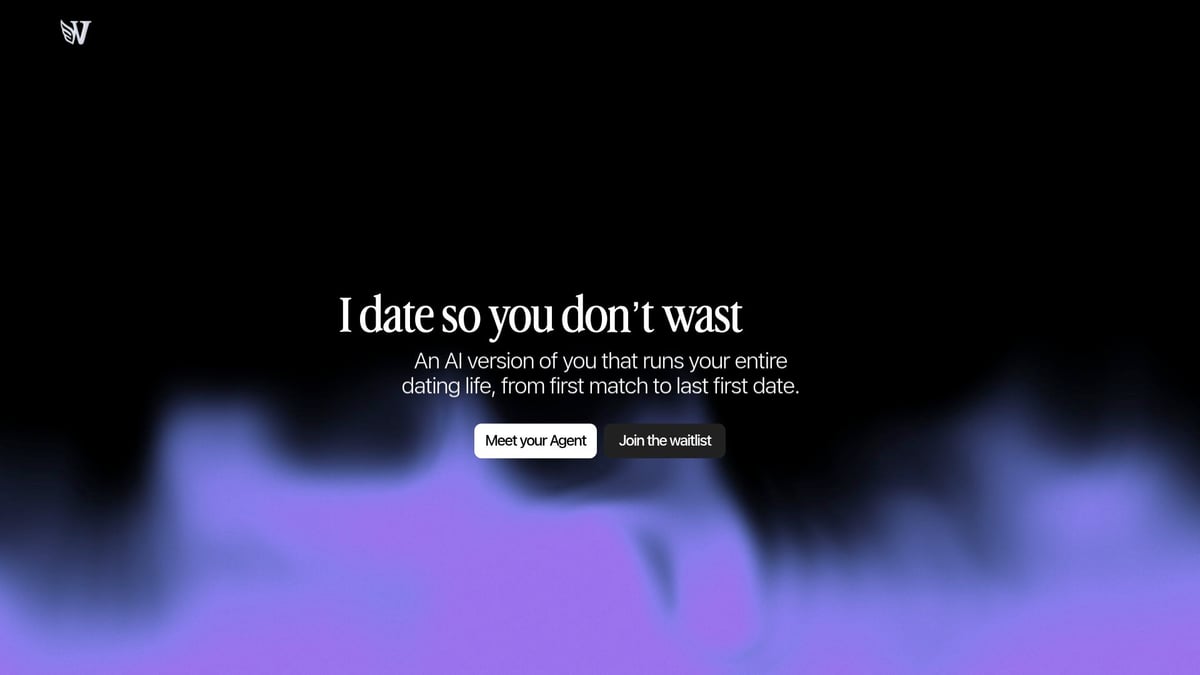
Winged’s data-driven approach emphasizes meaningful engagement over superficial swiping. User testimonials praise the platform for reducing anxiety and improving the overall quality of connections, indicating a significant shift in how dating apps can foster authentic relationships.
Limitations and Ethical Considerations of Tech Solutions
Despite technological advances, ghosting dating app solutions face important limitations. Over-automation risks eroding the authenticity of human connections, leaving some users feeling disconnected from the process. Privacy concerns are also rising as AI-managed profiles collect and analyze more personal data.
Recent surveys show that while 68% of users appreciate anti-ghosting features, 29% worry about losing control over their digital identity. Balancing convenience and genuine interaction remains a challenge. As the industry evolves, ethical standards and transparent data practices will become critical to building trust and ensuring that technology enhances, rather than replaces, human connection.
Building Resilience and Authentic Connections Beyond Ghosting
Navigating the ghosting dating app landscape in 2026 demands more than just strategy—it calls for resilience and a proactive mindset. As digital rejection rates rise, users must equip themselves with mental health tools, confidence boosters, and community support to thrive. Let us explore actionable ways to build strength and foster genuine connections.
Mental Health Strategies for Coping with Ghosting
Experiencing ghosting on a dating app can trigger feelings of rejection and confusion. According to recent studies, nearly 69% of users report negative mental health impacts after being ghosted. Recognizing these emotional triggers is the first step toward healing.
Mindfulness techniques, such as deep breathing and journaling, can help users process these emotions. Support resources make a significant difference, as over 40% of users reported improved mental health when accessing online communities or therapy. For more insights on how digital rejection affects well-being, see the mental health impacts of ghosting.
If you find yourself overwhelmed by repeated ghosting dating app experiences, consider reaching out to friends or mental health professionals. Remember, you are not alone, and support is available.
Reclaiming Confidence and Self-Worth
After a ghosting dating app incident, self-doubt often creeps in. It is essential to challenge negative self-talk and replace it with affirmations that reinforce your value. Research shows a strong link between positive self-image and online dating success.
Try reframing ghosting as a redirection, not a reflection of your worth. Celebrate small wins, such as engaging conversations or personal growth. Real users have shared that focusing on progress, not perfection, leads to better outcomes. For a deeper understanding of emotional consequences, read about the psychological impact of ghosting and breadcrumbing.
Setting realistic expectations in the ghosting dating app world helps build resilience and prepares you for future connections.
Fostering Real Connections in a Swipe Culture
The ghosting dating app environment often prioritizes quantity over quality. Shifting your focus to values, interests, and compatibility can reduce the risk of being ghosted. Data from 2026 reveals that users who seek meaningful conversations experience 28% fewer instances of ghosting.
Tips for fostering authentic bonds:
Start with genuine questions about hobbies or goals.
Share your intentions early.
Engage in video calls or in-person meetings to build trust.
Hybrid dating trends show that combining online and offline interactions leads to stronger, longer-lasting relationships.
Community and Support: Navigating Dating Together
Facing the ghosting dating app reality can feel isolating, but community makes a difference. Studies indicate that users who participate in online forums or support groups are 35% more likely to stay engaged and optimistic.
Ways to build a supportive network:
Join dating app discussion boards.
Attend local meetups or virtual group events.
Seek advice from dating coaches or trusted friends.
Sharing experiences and feedback helps normalize ghosting, making the journey less daunting for everyone. A strong community fosters a positive dating culture in 2026 and beyond.
As you’ve seen in this guide, navigating ghosting in today’s dating world is about more than just handling awkward silences—it’s about building genuine connections, prioritizing trust, and protecting your well-being. If you’re ready to leave behind endless swiping and shallow chats, imagine what it would feel like to have an AI agent truly understand your values and personality, guiding your dating journey from start to finish. Take the first step toward a dating experience that actually puts you first—real compatibility, safety, and authentic conversations await. Join our waitlist to see what’s possible with Winged.